Changing Attitudes Toward Remarriage in India
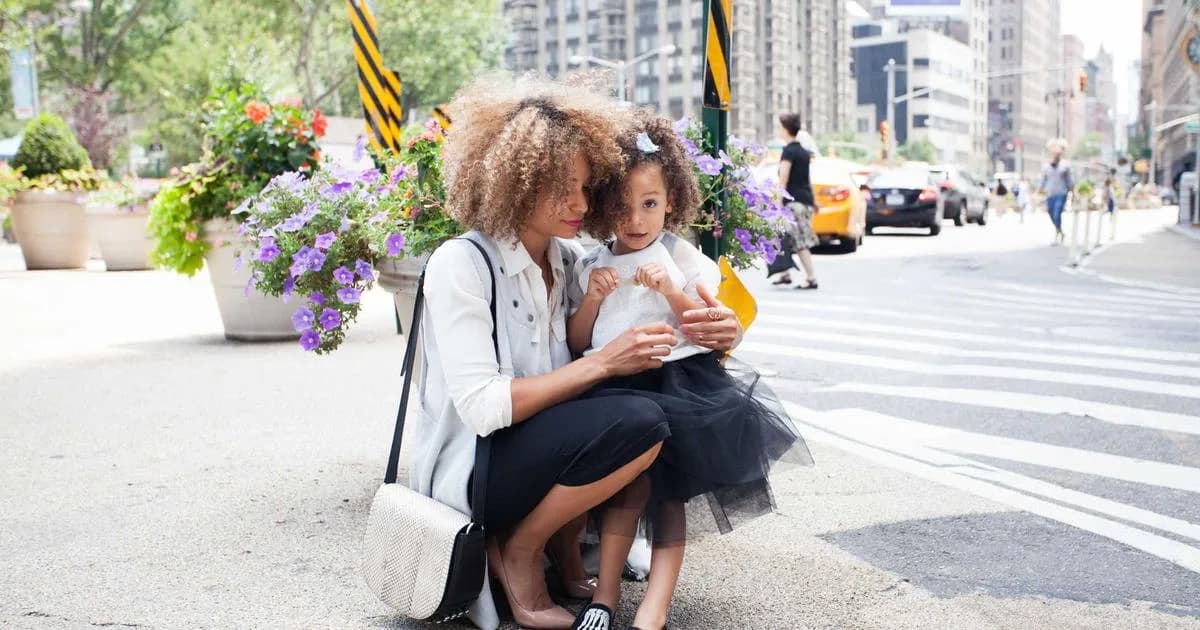
Sometimes change begins with a sentence that would have sounded impossible in an older family room: "I want to marry again, and I want to choose carefully this time."
Ten years ago, many divorced Indians navigated remarriage quietly, managing family anxiety and social judgement around the edges of what their communities would accept. The conversation was private, the stigma was real, and formal partner search often felt exposed.
That picture is changing. The clearest evidence is not a single national remarriage rate, but a combination of public marital-status data and platform signals showing more visible, self-managed search.
What the Numbers Show
Platform data from Jeevansathi coverage says remarriage seekers rose 43% over the past decade. This is useful because it shows visible search behaviour, but it is not a government remarriage rate and should not be treated as the whole country.
What does a 43% rise in registrations tell us, beyond the raw number?
It tells us that willingness to be visible has increased. Registering on a matrimony platform can be a public act within family or community circles. People who do it are saying they are divorced or widowed, seeking a partner, and willing to make that search real.
It also tells us that the search category itself is becoming clearer. As more people appear in remarriage spaces, the pool feels less invisible, which can encourage others to start.
Data note: platform numbers show behaviour inside a service. Census and SRS data show marital-status categories. Use both for context, but do not mix them as if they measure the same thing.
What's Driving the Shift
Several overlapping forces are behind this cultural movement.
More visible divorce and separation. Public data tracks divorced, separated, and widowed people as real marital-status categories. The more families personally know someone who has gone through divorce or loss, the harder it becomes to treat remarriage as unusual.
Women's financial independence. When women can support themselves financially, the social calculation around divorce and remarriage changes. A divorced woman with a career faces a different set of options than a financially dependent woman may have faced earlier.
Generational change in attitudes. Indians in their 20s and 30s have grown up with more visible divorce and more diverse representations of family structures. Their acceptance of remarriage is a lot higher than their parents' generation, and their influence on family conversations about second marriages is increasing.
Social media normalisation. Celebrities, influencers, and everyday people sharing second-marriage stories without shame have created a visible counter-narrative to the silence and stigma that previously surrounded remarriage. When something is discussed openly and positively, repeatedly, at scale, norms shift.
Dedicated platforms making it practical. The emergence of second-marriage-focused spaces has made the mechanics of finding a partner more understandable. That does not remove safety work, but it gives people language and process.
Urban vs Rural: Where the Change Is Concentrated
The shift is most pronounced in urban India. Registration growth is highest in the major metros, Mumbai, Delhi, Bangalore, Hyderabad, Chennai, Pune, and secondary cities. These are environments where financial independence, social diversity, and digital access intersect.
Rural and semi-urban India is not untouched by the shift, but the pace is slower and the family dynamics remain more complex. Second marriages in these contexts still require more careful family navigation and are more subject to community opinion than they are in cities.
But even in traditionally conservative contexts, the conversation has changed. The absolute number of people seeking remarriage has increased across urban and non-urban India, the rate of increase is simply faster in cities.
The Meaning Behind the Data
A reported 43% rise in remarriage seekers on one platform is not just a metric about platform usage. It also points to a shift in what divorced and widowed Indians believe they can ask for openly.
More people in 2026 believe that their first marriage's failure does not close their right to companionship, partnership, and love. More people believe they can pursue this openly, through formal channels, without shame. More families have accepted this. More communities have, too, even if that acceptance is sometimes reluctant, slow, or conditional.
This is a cultural shift. It has been driven by economics, information access, changing expectations, and many individual people choosing not to accept permanent solitude as the price of a divorce or loss they did not plan for.
What To Do With This Shift
If you've been hesitating because you're uncertain whether seeking a second marriage is socially acceptable, the data says something calmer: you are not the only person considering it, and more people are making the search visible.
Rejoin's remarriage matrimony page explains a slower, access-led path for people who want privacy and serious second-chapter conversations before broad visibility. If you are comparing search paths, the second marriage matrimony page is also useful.
FAQs
Are attitudes toward remarriage changing in India?
Yes, especially in urban, educated, and self-managed searches. But acceptance still varies by family, community, city, gender, and religion.
Does platform data prove national remarriage growth?
No. Platform data shows behaviour among that platform's users. It is useful, but it should be labelled as platform data, not national population data.
Why are more people open to remarriage?
Common reasons include financial independence, more visible divorce, online communities, delayed marriage timelines, and families seeing more examples of remarriage.
What should I do if my family is still uncomfortable?
Move slowly. Share your intention, explain your readiness, and keep the first conversation focused on your life rather than defending divorce as a concept.
Sources
Next step
Compare platforms, check safety, or request a reviewed path when you are ready.
Editorial Team
Practical, respectful guidance for divorced, separated, and widowed adults building a thoughtful second chapter.
More blogs to read

Indian Women Choosing Remarriage on Their Own Terms
Something has shifted when a woman says, "I am not refusing marriage. I am refusing to disappear inside it again." Indian women choosing remarriage today are often doing it with...
Remarriage Rate India by City: What Changes by Metro?
Two people can be equally ready for remarriage and still have very different searches because of one thing: where they live. A metro can give privacy and a wider pool. A smaller...