Divorce Support Groups in India: Finding Community While You Heal
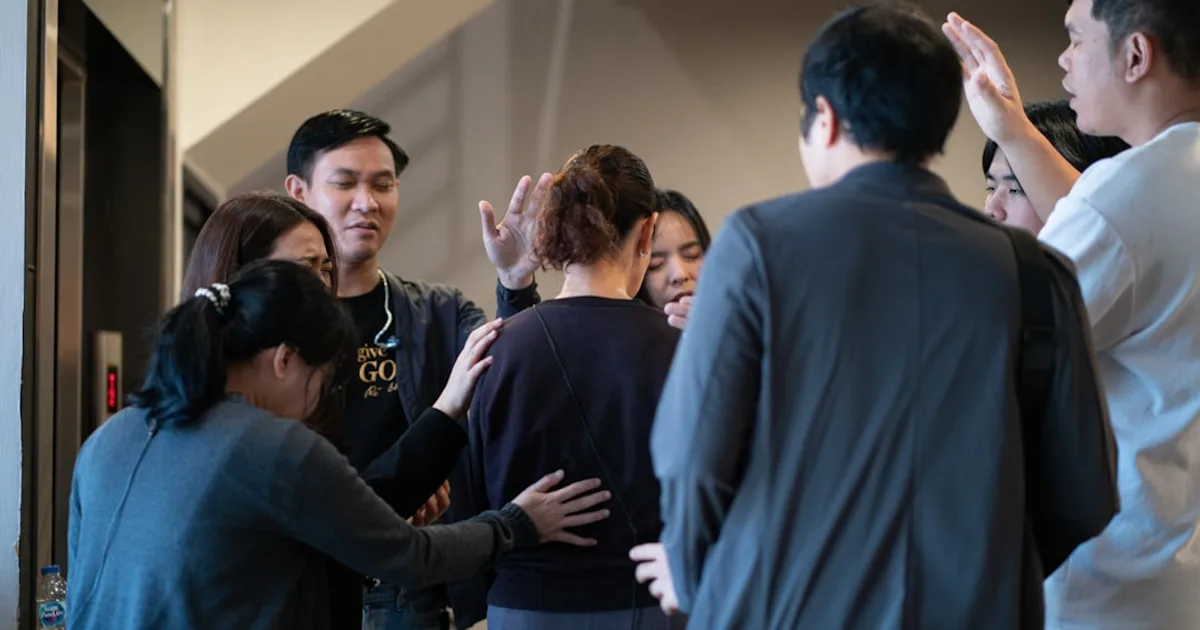
Divorce in India is rarely just a legal process. It is also a social experience, one that can leave you feeling isolated, judged, and unsure where to turn. Friends who knew you as a couple may drift away. Family may not fully understand. And in many Indian cities and towns, divorce still carries an invisible stigma that makes it hard to talk openly.
That is where divorce support groups, both online and offline, can make a profound difference. Not as a substitute for professional help, but as something often even more powerful: the recognition that you are not alone.
Why Community Matters After Divorce
Human beings are wired for connection. When a marriage ends, the social fabric of your life tears in ways that take time to repair. A support group, even an informal one, gives you a space where people understand what you are experiencing without needing it explained. That shared understanding is healing in itself.
Types of Support Available in India
1. Online Communities
Online communities have become the most accessible form of support for divorced Indians, particularly for those in smaller cities or towns where stigma is higher.
Facebook Groups: Search "Divorced Indians Support," "Second Marriage India Community," or "Divorce Recovery India." Several active groups have thousands of members sharing experiences, advice, and encouragement.
WhatsApp Communities: Many therapists and NGOs facilitate private WhatsApp support groups. These tend to be smaller and more moderated, creating a safer environment.
Reddit: While not specifically divorce-focused, communities like r/india and r/relationship_advice_india include many divorced Indians sharing their experiences.
2. NGO-Facilitated Groups
Several NGOs in India run structured support programs:
- iCall (Mumbai, online): Run by TISS (Tata Institute of Social Sciences), iCall offers low-cost counselling and peer support. Helpline: 9152987821.
- The Banyan (Chennai): Works with individuals facing mental health challenges, including those triggered by divorce.
- Vandrevala Foundation: Runs a 24/7 helpline (1860-2662-345) and facilitates mental health resources.
3. Therapist-Led Groups
Some private therapists now offer group therapy specifically for divorced or separated adults. These are facilitated by a licensed professional and follow a structured therapeutic approach, safer and more directed than self-help groups.
Search via Practo, iCall's directory, or the Indian Association of Clinical Psychologists' member listings.
4. In-Person Community Groups
In larger cities, informal meetup groups for divorced and separated adults have begun to emerge:
- Mumbai, Delhi, Bengaluru, Hyderabad, Pune: Check Meetup.com for groups around "divorce support" or "midlife transitions"
- Legal aid centres: Many family court-affiliated centres offer psychosocial support alongside legal help
What to Look for in a Good Support Group
Privacy note: a support group should make you feel less alone, not less safe. Avoid groups that pressure members to share phone numbers, documents, private photos, children details, or court information.
- Moderation: Is there a clear process for handling conflict or inappropriate behaviour?
- Confidentiality norms: Are members expected to maintain each other's privacy?
- Tone: Does the group encourage growth and forward movement?
- Diversity: Are people at different stages of recovery? Hearing from those further along can be profoundly hopeful.
From Healing to Hope
Many people who find meaningful second relationships describe community as a turning point in recovery. Not because the group "got them back to dating," but because it helped them rebuild their sense of self. When you understand your own story more clearly, what happened, why, what you want next, you make better choices about who you invite into your life.
The right community meets you where you are. You do not have to heal alone.
How to make this feel less heavy
After divorce, it is normal to move slowly. You may want connection, but you may also want proof that the next person is steady, kind, and honest. That is not overthinking. It is your mind trying to protect you after a difficult chapter.
You do not have to tell your whole story in the first conversation. Start with what is useful: what you have learned, what you want now, and what pace feels comfortable. If you are ready to meet people who understand this stage of life, our page on divorcee matrimony in India may be a helpful next step. A good next article is Why Divorced Indians Are Choosing Remarriage: Top Reasons in 2026.
A gentle next step
Take one small action after reading. Write down one question you need to ask, one boundary you want to keep, and one fear you do not want to carry silently. This keeps the decision simple and real.
If family is involved, share things slowly. Give people enough information to understand you, but do not invite every opinion too early. A second marriage becomes easier when the couple is clear first, and then brings others in with care.
Most of all, do not rush only because you want the uncertainty to end. A calm pace is not a delay. It is often what helps both people feel safe enough to be honest. The right match will respect that pace and will be willing to build trust through simple, steady actions.
FAQs
Are divorce support groups a replacement for therapy?
No. A group can reduce isolation, but therapy or counselling is better when distress, trauma, self-harm risk, severe anxiety, or family conflict needs professional support.
Are online divorce groups safe?
Some are helpful, but treat them carefully. Check moderation, privacy norms, and whether members are pressured to share personal details.
What should I avoid sharing in a support group?
Avoid sharing legal documents, child details, home address, workplace details, private photos, financial information, or anything that could be forwarded outside the group.
Can support groups help before remarriage?
They can help you feel less alone and think more clearly, but remarriage decisions should still move at your own pace.
Sources
- Tele MANAS, Ministry of Health and Family Welfare for India's national mental-health helpline initiative.
- PIB note on Tele MANAS for government context on the 14416 helpline.
- NIMHANS Centre for Well Being for professional mental-health service context.
Next step
Compare platforms, check safety, or request a reviewed path when you are ready.
Editorial Team
Practical, respectful guidance for divorced, separated, and widowed adults building a thoughtful second chapter.
More blogs to read

Divorce After 50 in India: Starting Again
At 54, a woman described her divorce in one quiet sentence: "I stayed until everyone else was settled, and then I finally listened to myself." Divorce after 50 in India is rarel...

Why Divorced Indians Are Choosing Remarriage Today
A person may not say it loudly at first. They may only think, "I still want someone to share life with." That quiet thought is where many remarriage journeys begin. A decade ago...