How to Talk About Remarriage With Family During Festivals
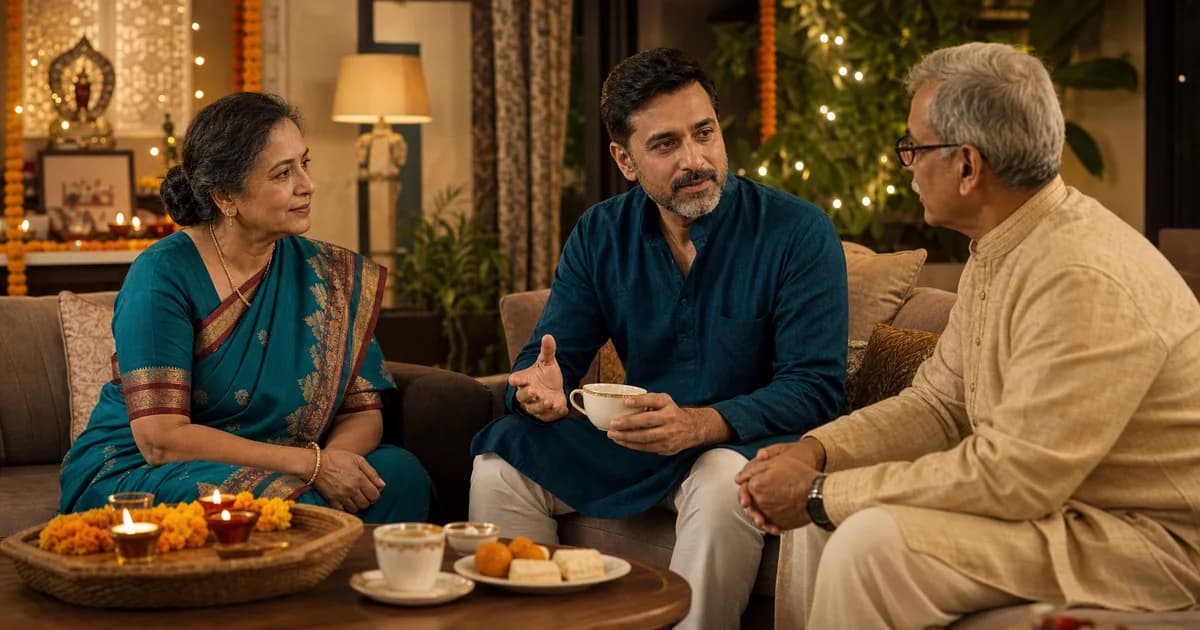
The sweets are on the table, the house is full, and someone asks, "So, what are you thinking about your future?"
Festivals can feel like the right time to talk about remarriage with family. Everyone is together, the mood is warmer, and relatives often speak about the future. But festival gatherings can also become noisy, emotional, and public very quickly.
This guide is for divorced, separated, widowed, and single-parent adults who are thinking about telling family during Diwali, Navratri, Eid, Christmas, Onam, Pongal, or another family gathering. The goal is not to convince everyone in one sitting. The goal is to begin with dignity and control.
Quick answer: A festival can be a gentle opening for a remarriage conversation when the setting is private and you begin with one trusted person. Decide what stays private, keep children out of adult details, and agree on a small next step instead of making a public announcement.
Decide Whether The Festival Is The Right Moment
Before you speak, ask one question: am I choosing this moment because it is right, or because everyone happens to be in one place?
A festival can help if:
- You already know what you want.
- One or two trusted relatives will be present.
- The setting allows privacy.
- You are ready for questions.
- The family mood is calm.
A festival may not be right if:
- The gathering is crowded.
- Relatives are already tense.
- Children are nearby and may hear adult details.
- You are hoping someone else will speak for you.
- You feel pressured to announce before you are ready.
Remarriage is personal. A festival is public. Use the public moment only after you have a private plan.
If family opposition is already likely, read Family Opposition to Second Marriage in India: How to Respond Calmly before starting the conversation.
Start With One Person, Not The Whole Family
The biggest mistake is turning the first conversation into a family debate. In Indian families, one sentence can become a room full of opinions within minutes.
Choose one person first. It may be a parent, sibling, cousin, aunt, uncle, or family friend who has influence but also emotional sense. Speak to them away from the main gathering.
You can say:
"I want to talk to you about something important. I am open to remarriage, and I am thinking about it seriously. I am not asking everyone to decide today. I want you to understand where I am."
This keeps the tone calm. It tells the person that this is not gossip, not a secret affair, and not a rushed announcement.
Conversation insert: Choose the first listener before the festival begins. Do not decide in the middle of noise, emotion, or family pressure.

Caption: Start small, leave room for people to listen, and keep children out of early adult conversations.
Use Simple Language
You do not need a long speech. Too much explanation can make relatives feel invited to judge every detail.
Keep the first message short:
"I have taken time to think about my life. I am open to remarriage if the person is right. I want to move slowly, protect privacy, and involve the family at the right stage."
If there is already a person in your life, you can add:
"I have been speaking with someone seriously. We are still taking time. I want the family to know before things move further."
Do not begin with wedding dates, profile screenshots, horoscope details, or every painful event from the past. Those can come later if needed.
Protect Children From Adult Discussion
If you have children, festival gatherings can be risky because children are often nearby. They may hear half-sentences and become anxious.
Before speaking to family, decide:
- What do the children already know?
- Who is allowed to discuss this in front of them?
- What language should family use?
- Will the child be introduced to anyone soon?
- What details must stay private?
Children should not find out about remarriage through a relative's joke, a loud argument, or a casual festival comment. If they need to be told, tell them in a calm and age-appropriate way before the wider family starts discussing it.
If remarriage and children are part of your situation, start with second marriage matrimony and second marriage with kids.
Expect Questions Without Accepting Interrogation
Family may ask direct questions:
- Who is the person?
- What happened to the previous marriage?
- Are you legally free to marry?
- What about children?
- What will society say?
- Why do you need remarriage now?
- How do we know this person is genuine?
Some questions are fair. Some are intrusive. You can answer the fair ones without surrendering your privacy.
Try:
"I understand why you are asking. I will share details step by step. Today I want you to know that I am thinking about remarriage seriously and carefully."
Or:
"Legal and family details matter, and I will handle them before any decision. I do not want to discuss private history in a group setting."
This keeps you respectful without becoming powerless.
Do Not Let Relatives Take Over The Search
Once family hears that you are open to remarriage, some relatives may begin sending biodata, WhatsApp contacts, and profile links. Their intention may be good, but the process can quickly become stressful.
Set a boundary early:
"Please do not share my details with anyone without asking me. If you know someone serious, tell me privately first."
This matters for privacy and safety. A second marriage search can involve sensitive details about divorce, widowhood, children, finances, and family. Those details should not spread through informal groups.
If you are deciding where to search, compare serious options through remarriage matrimony and avoid sharing personal documents or private photos with people you have not verified. For current Rejoin boundaries, read Trust and Safety.
Plan The Next Step Before You Speak
Before the festival conversation, decide what you want next.
Possible next steps:
- A private meeting with parents later.
- A call with siblings.
- Time for the family to think.
- A legal readiness check.
- A safer partner-search plan.
- A family meeting only after the relationship becomes serious.
Do not end the conversation with "Let's see." That often invites confusion. End with a clear but small next step.
For example:
"Let us talk again next weekend when things are quieter."
Or:
"Please think about it. I do not want this discussed with the wider family yet."

Caption: Decide the setting, first listener, privacy boundary, and next step before the conversation begins.
Final Thought
Festivals can create a gentle opening for remarriage conversations, but they should not turn your life into a public discussion. Speak first to one trusted person. Keep the message short. Protect children and privacy. Let the family react, but do not let the process be taken away from you.
If you want a serious, privacy-first path before involving many relatives, Rejoin's reviewed flow is being built for second-chapter users who want careful review rather than public browsing.
FAQs
Is Diwali a good time to talk about remarriage?
It can be, if the setting is private and calm. Do not announce during a crowded gathering or in front of children without a plan.
Should I tell my parents before other relatives?
Usually yes, unless another trusted family member is safer for the first conversation. Start with the person most likely to listen with care.
What if my family says no immediately?
Do not turn the first talk into a fight. Ask what they are worried about, answer what is fair, and continue the conversation later.
Should I share the person's profile during the first conversation?
Not always. First explain that you are open to remarriage or speaking with someone seriously. Share personal details only when the time and setting are right.
Sources
Next step
Compare platforms, check safety, or request a reviewed path when you are ready.
Editorial Team
Practical, respectful guidance for divorced, separated, and widowed adults building a thoughtful second chapter.
More blogs to read

Second Marriage in India: Legal, Family, and Practical Guide
Someone can feel ready for second marriage in India emotionally and still have practical questions waiting at the door. Is the earlier marriage legally over? What should be disc...
Handling New In-Laws After Remarriage in India: What to Expect
The first family lunch after remarriage can feel like an interview where nobody admits there is an interview. Someone watches how you speak to your spouse. Someone compares you...